
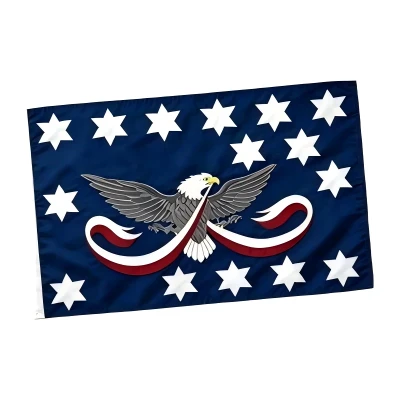
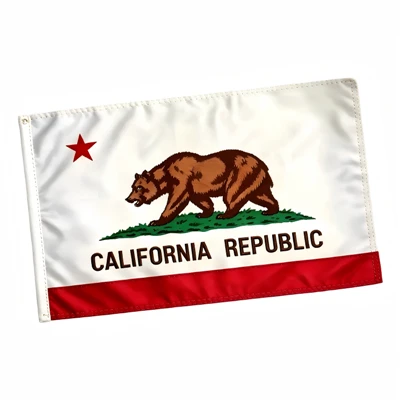
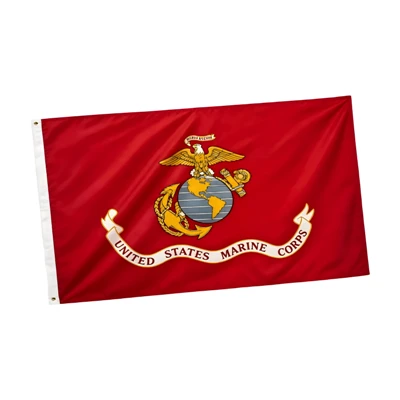
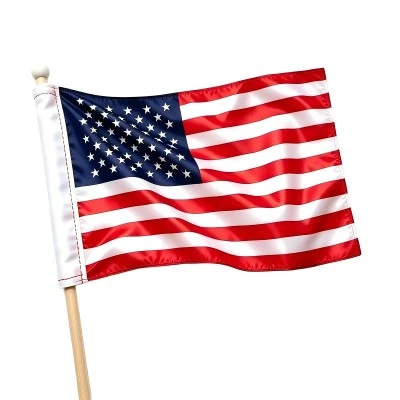
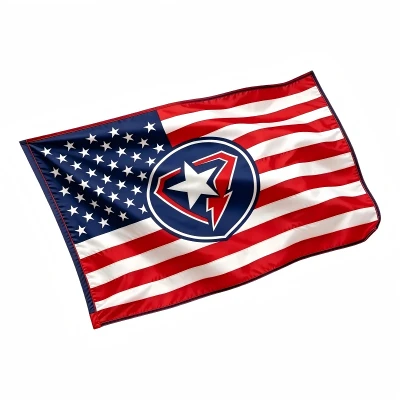
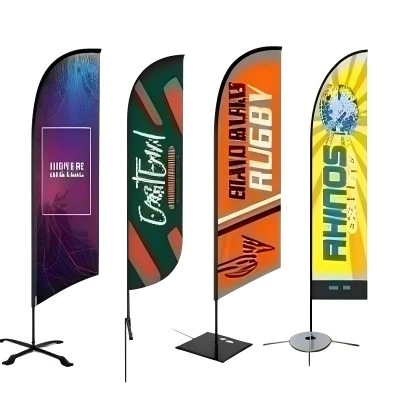
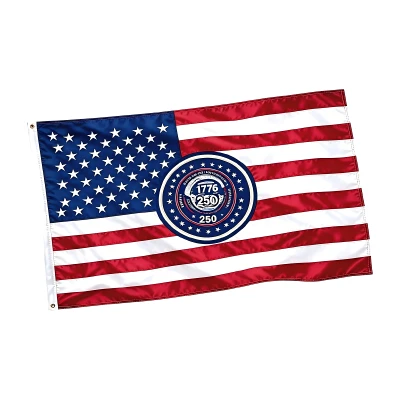
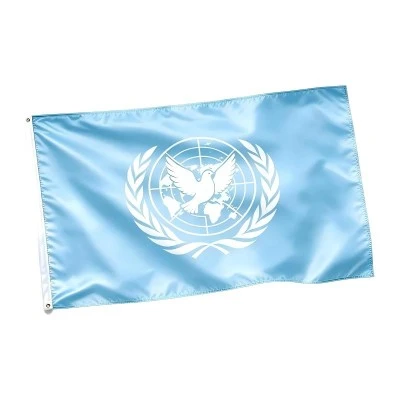
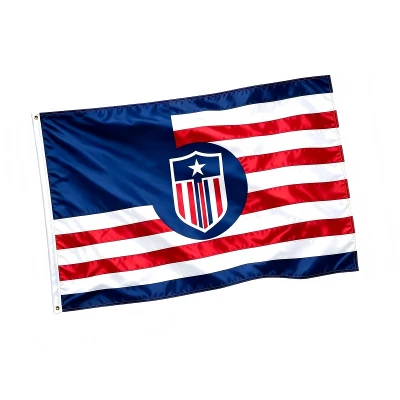
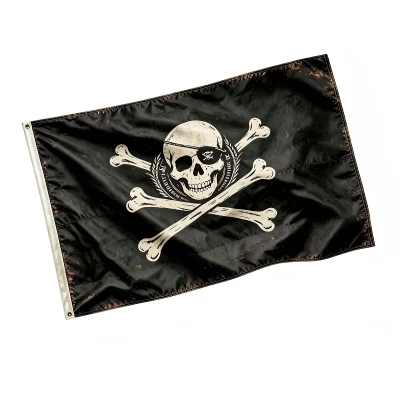
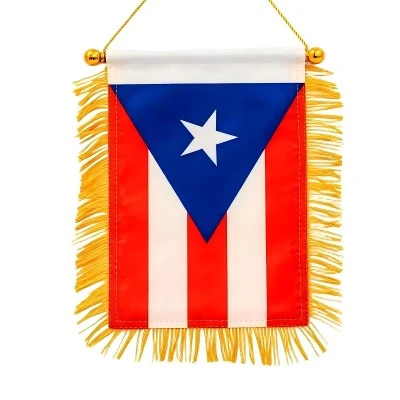
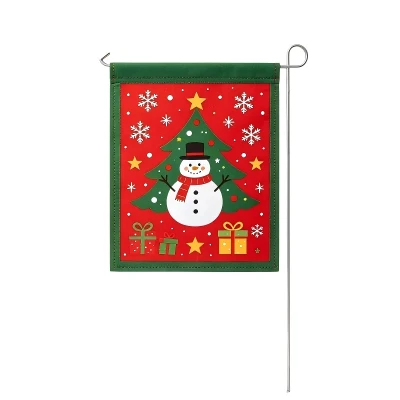
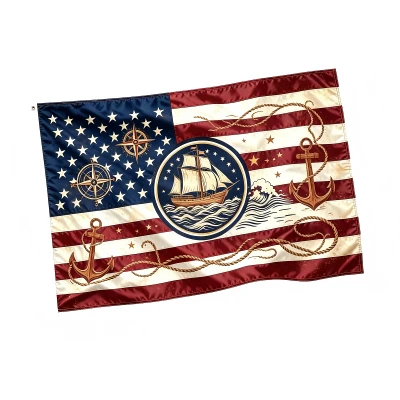
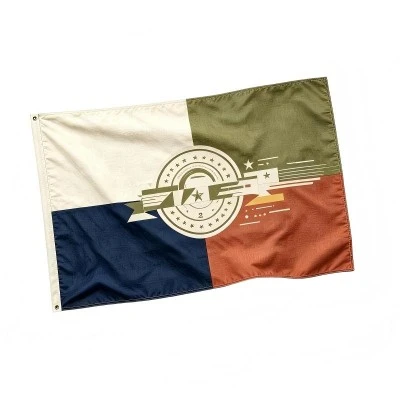
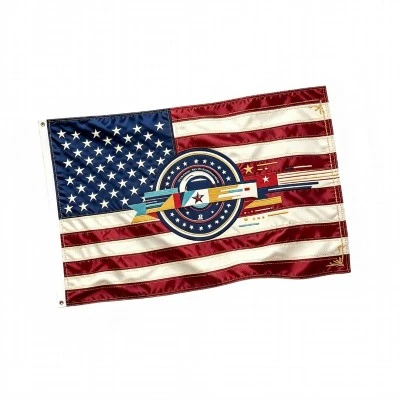
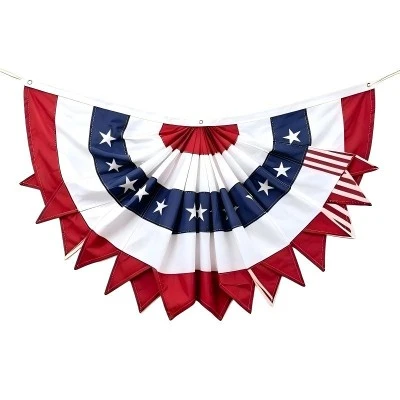
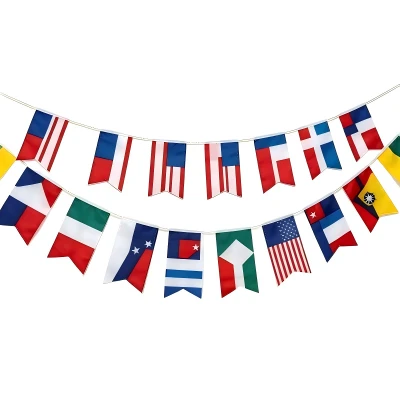
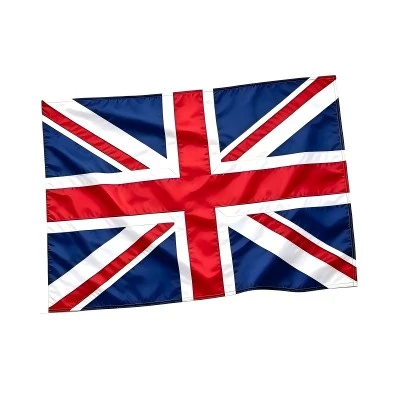
As environmental considerations become more prominent in retail purchasing, importers, promotional merchandise distributors, museums, cultural organizations, and specialty stores are paying closer attention to the materials used in decorative and display products. Cotton flags are one option for buyers seeking a traditional textile appearance, a natural-fiber material, and a fabric suitable for heritage-inspired or customized designs.
However, sustainable procurement involves more than choosing a fiber. Buyers should also evaluate the origin of the cotton, dyeing and printing methods, production waste, packaging, supplier transparency, product service life, and the availability of supporting documentation. A cotton flag is not automatically organic, biodegradable under every disposal condition, or environmentally preferable in every application.
For buyers developing a specific design or private-label collection, Custom Cotton Flags can be considered when comparing artwork, dimensions, fabric requirements, finishing, and packaging options. The following list introduces ten Chinese flag manufacturers or supplier leads for initial research. It is not a ranking, and cotton-specific capabilities should be confirmed directly with each company before procurement.

Why Cotton Flags Matter to Sustainable Buyers
Natural-Fiber Preference
Cotton offers a natural textile composition and a traditional surface appearance for heritage displays, interior decoration, cultural projects, and specialty retail collections.
Material Transparency
Buyers can request clear information about fiber composition, fabric sourcing, dyes, printing processes, and any relevant third-party certifications.
Purpose-Driven Design
Suitable dimensions, construction, finishing, and care guidance can help align a flag with its intended application and expected service life.
Responsible Packaging
Packaging specifications can be reviewed to reduce unnecessary materials while preserving the product during storage, transportation, and retail handling.
Top 10 Cotton Flag Manufacturers and Supplier Leads
The following companies have been identified as flag manufacturers or flag-related supplier leads through company websites and online industry listings. This list should be used as a starting point for sourcing, not as proof that every company currently manufactures cotton flags or holds environmental certifications. Buyers should verify the current product range, factory status, cotton specifications, and sustainability documentation directly.
1. Zhejiang MAOSEN Flag Co., Ltd.
Website: www.maosen-flag.com
Relevant categories: Cotton flags, custom flags, embroidered flags, appliqué flags, printed flags, and flagpoles.
Zhejiang MAOSEN Flag Co., Ltd. was founded in 1997 and has developed manufacturing capabilities across flag embroidery, appliqué, printing, sewing, and flagpole production. Its cotton flag category is relevant to buyers exploring traditional textile-style flags for decorative displays, historical presentations, cultural activities, and specialty retail collections.
Buyers can review the company's cotton flag category and inquire about Custom Cotton Flags for project-specific artwork, dimensions, construction, finishing, and packaging. The company can be considered by retailers and distributors that need to discuss customized flag specifications with a flag-focused manufacturer.
For sustainability-focused purchasing, ask MAOSEN to confirm the exact cotton composition, available fabric documentation, dyeing or printing details, and any applicable third-party certifications for the requested order. Do not assume that all cotton materials or finished flags carry organic or environmental certification.
Suitable for research: Buyers seeking a dedicated flag manufacturer with multiple flag-making processes and a published cotton flag category.
2. Linhai C&S Arts & Crafts Co., Ltd.
Website: www.chinaflag.com
Relevant categories: Custom flags, national flags, garden flags, flag hardware, and decorative textile products.
Linhai C&S Arts & Crafts Co., Ltd. states that its flag production began in 1991 and that the company was officially incorporated in 1994. Its published company information describes an export-oriented business serving custom flag, national flag, garden flag, and decorative textile requirements.
For cotton-specific purchasing, buyers should ask whether the company currently offers cotton fabric options and which construction methods are available for each flag type. A general flag manufacturing capability does not establish that every product can be made from cotton or that cotton items are produced using certified sustainable materials.
Retailers should request fabric composition details, samples, color specifications, packaging information, and documentation for any sustainability claims before comparing a quotation with other suppliers.
Suitable for research: Buyers comparing established flag suppliers with experience in custom and decorative flag categories.
3. Wuhan Jarmoo Flag Co., Ltd.
Website: www.jarmooflag.com
Relevant categories to investigate: Flags, banners, display products, and promotional materials.
Wuhan Jarmoo Flag Co., Ltd. is a supplier lead in the wider flag and display-product market. Its online presence can be reviewed by buyers seeking a broader range of promotional and flag-related products for retail, commercial, or event use.
Before treating the company as a cotton flag source, confirm whether it currently manufactures cotton flags, sources them from partner factories, or focuses primarily on other materials. This distinction matters when buyers require traceability, consistent fabric specifications, or documentation for environmental claims.
Ask for the exact fabric composition, sample availability, production location, quality inspection process, and any applicable material certifications. If a supplier uses subcontractors, clarify which party is responsible for material verification and finished-product inspection.
Suitable for research: Buyers comparing broader flag and display suppliers while verifying cotton-specific capability.
4. Weifang Ronning Industry Co., Ltd.
Supplier research: Review current company profiles and request direct confirmation of product availability.
Relevant category to investigate: Flag manufacturing and related textile display products.
Weifang Ronning Industry Co., Ltd. appears in online supplier comparisons for flag manufacturing. It can be included in an initial sourcing list for buyers who want to compare quotations from multiple flag-related businesses.
Its current cotton flag range and environmental credentials should be confirmed rather than inferred from general flag-related listings. Buyers should request a current product catalog, company registration details, production location, and written information on the materials and processes used for the requested item.
For sustainability-related procurement, ask whether the supplier can identify the fabric source, provide relevant test reports or certifications, and explain how production defects and material waste are managed.
Suitable for research: Buyers expanding their supplier shortlist and willing to conduct additional capability checks.
5. Yiwu Nuoxin Craft Co., Ltd.
Supplier research: Verify current business details and product range through reliable supplier listings or direct contact.
Relevant category to investigate: Flag craft products and decorative flags.
Yiwu Nuoxin Craft Co., Ltd. is mentioned in online flag-manufacturer listings. Buyers sourcing decorative or specialty flags can investigate the company as a possible additional contact when comparing suppliers and quotation terms.
Before including the company in a cotton-focused procurement program, confirm whether cotton flags are part of its current catalog and whether production is completed in-house. Ask for material specifications, photographs of actual products, sample arrangements, and a description of the sewing, printing, or embroidery processes available for the requested design.
If sustainability is a purchasing requirement, request evidence supporting each claim. General descriptions such as "eco-friendly" or "natural" should not replace traceable material information or applicable third-party documentation.
Suitable for research: Buyers seeking additional decorative flag suppliers to evaluate against documented procurement criteria.
6. Xiamen Novelty Flag Co., Ltd.
Supplier research: Confirm the current company identity, official contact details, and available product catalog.
Relevant category to investigate: Custom flags and decorative flag products.
Xiamen Novelty Flag Co., Ltd. appears in online lists of Chinese flag manufacturers. It may be useful as an additional lead for buyers comparing custom flag production and export-oriented supply options.
Buyers should verify whether the company offers cotton as a fabric option, which flag formats can be made from that material, and whether customization includes artwork, dimensions, finishing, labels, and retail packaging. Request a physical sample if the hand feel, fabric weight, or visual appearance is important to the final product.
For environmental purchasing criteria, establish whether the supplier can provide traceable cotton information and relevant documentation for dyes, inks, or other materials used in production.
Suitable for research: Buyers who want to compare additional flag manufacturing leads before finalizing a sourcing shortlist.
7. Jinteng Flag
Supplier research: Search current company information and request a verified official website or business profile.
Relevant category to investigate: Flag production and customized flag orders.
Jinteng Flag is included in online flag-manufacturer comparisons as a supplier lead. Buyers may investigate its current range when building a list of potential partners for standard or customized flag projects.
Because a supplier's general flag-making experience does not automatically establish cotton specialization, buyers should request confirmation of cotton availability, fabric weight, construction details, finishing choices, and minimum order quantities. Ask whether samples can be produced using the same material and process intended for bulk production.
Where a sustainability policy requires specific material standards, provide those requirements before requesting a quotation and ask the supplier to identify which documents can be provided for the actual order.
Suitable for research: Buyers seeking another quotation source, subject to verification of current business and product details.
8. Wuxi Success Flag Co., Ltd.
Supplier research: Confirm current company details through business listings and direct company communication.
Relevant category to investigate: Flags and related display products.
Wuxi Success Flag Co., Ltd. is a name that appears in online flag supplier research. It can be investigated as a potential source for buyers comparing manufacturing options across the Chinese flag industry.
Before placing it on a cotton-specific shortlist, ask for current catalog pages showing cotton items, fabric composition information, available production methods, and sample lead times. Buyers should also clarify whether the supplier manufactures the flags itself or coordinates orders through another production facility.
For repeat purchasing, confirm how approved samples, fabric specifications, color references, and inspection requirements are recorded so that later orders can be checked against the original agreement.
Suitable for research: Buyers who need additional supplier leads and can independently verify manufacturing capability.
9. East Flag Factory
Supplier research: Verify the current legal company name, location, and official business contact before making an inquiry.
Relevant category to investigate: National flags, custom flags, and banner-style products.
East Flag Factory is referenced in online Chinese flag-manufacturer lists. It may provide an additional starting point for buyers researching suppliers of standard or customized flags.
Sustainable buyers should not assume that a supplier offering conventional flag products also offers certified cotton or environmentally verified manufacturing. Ask for evidence of the exact fiber content, applicable material standards, and any claims made about organic sourcing, recycled content, chemical management, or production practices.
Before moving to bulk production, compare samples and written specifications from multiple suppliers. Make sure the approved fabric and finishing details are clearly recorded in the purchase order.
Suitable for research: Buyers broadening their search for flag suppliers while maintaining clear verification requirements.
10. Suzhou DongDong International Trading Co., Ltd.
Supplier research: Confirm current business details, product categories, and supply-chain arrangements.
Relevant category to investigate: International trading and flag-related product sourcing.
Suzhou DongDong International Trading Co., Ltd. appears in online lists of flag-related suppliers. As its name suggests an international trading business, buyers should establish whether it manufactures products directly or sources them through third-party factories.
A trading company may still be suitable for a procurement project, but buyers who require detailed material traceability should identify the actual factory, fabric mill, and relevant documentation providers. Responsibility for quality checks and the accuracy of sustainability claims should be agreed upon before the order is confirmed.
Request a written quotation that identifies the product specification, material composition, factory or sourcing arrangement, packaging, delivery terms, and documents available for the order.
Suitable for research: Buyers comparing sourcing intermediaries with direct manufacturers and evaluating which arrangement best fits their requirements.
What Sustainable Buyers Should Evaluate
1. Fiber Origin and Composition
Start by confirming whether the fabric is 100% cotton or a blend. If a project requires organic cotton, recycled content, or a specific sourcing standard, request supporting documentation that covers the material used in the actual order. A general statement that a flag is made from cotton is not proof of organic certification.
2. Dyeing, Printing, and Finishing
Ask how the design is applied and what information is available about inks, dyes, and finishing chemicals. If your procurement policy requires restricted-substance testing or a recognized textile certification, state the requirement before sampling and verify that the certificate or test report applies to the relevant material and product scope.
3. Construction and Intended Use
Flag construction should suit the display environment. Buyers should discuss seam strength, hems, sleeves, attachment points, and care instructions with the supplier. Cotton may be appropriate for many decorative and indoor applications, but outdoor exposure, moisture, and repeated washing can affect the service life of the finished item.
4. Packaging and Transportation
Review the amount and type of packaging used per item and per carton. Consider whether unnecessary inserts or individual wrapping can be reduced without compromising product protection. Request carton dimensions and shipping information to estimate transport impact and landed cost.
5. Supplier Transparency
Responsible procurement benefits from clear records. Ask suppliers to identify the production site, explain subcontracting arrangements, provide relevant test reports, and confirm how incoming materials and finished flags are inspected. Keep approved samples and written specifications with the purchase order.
How to Compare Cotton Flag Suppliers
For US importers and retailers, a useful supplier comparison should include both product quality and verifiable procurement information. Instead of asking only for a price per flag, provide each supplier with the same brief and request a response against the same criteria.
- Material: Confirm fiber content, fabric weight, fabric source, and any required material certification.
- Design: Provide artwork, color references, finished dimensions, and the required printing, embroidery, or appliqué details.
- Construction: Specify hems, stitching, sleeves, ropes, loops, attachment details, and any required accessories.
- Samples: Ask for a sample that represents the actual fabric and manufacturing method planned for bulk production.
- Quality control: Agree on inspection points, acceptable tolerances, color review, defect handling, and pre-shipment checks.
- Documentation: Request applicable test reports, certificates, and material declarations before accepting sustainability-related claims.
- Packaging: Specify retail labels, barcode requirements, packaging material, carton markings, and packing quantities.
- Commercial terms: Compare minimum order quantities, sampling costs, production lead time, payment terms, and shipping conditions.
Developing a Cotton Flag Collection for the US Market
Different retail channels have different purchasing priorities. Museum shops and heritage retailers may prefer traditional designs and a natural textile appearance. Gift shops may focus on seasonal artwork, compact packaging, and coordinated designs. Organizations may require specific logos, colors, dimensions, and approval procedures.
When developing a customized collection, Custom Cotton Flags can be assessed against the project's intended use, design complexity, fabric specification, finishing requirements, and packaging needs. Buyers should provide a complete brief rather than relying on a product name alone to communicate their expectations.
It is also important to define what sustainability means for the purchasing program. One buyer may prioritize certified organic cotton, while another may focus on supplier transparency, reduced packaging, or product longevity. These goals should be translated into measurable requirements that can be checked against documents, samples, and production records.
Avoiding Common Sustainable Sourcing Mistakes
Assuming Cotton Means Organic
Conventional cotton and certified organic cotton are not interchangeable. Ask for the relevant certificate and confirm that it covers the material being purchased.
Relying on Broad Green Claims
Words such as "green," "eco," or "environmentally friendly" need specific supporting information. Request measurable details or applicable third-party evidence.
Choosing on Unit Price Alone
Consider sample costs, packaging, freight, import charges, quality risks, and expected service life when evaluating the total purchasing cost.
Skipping Sample Approval
Review the fabric, color, seams, finishing, and packaging before authorizing production. Keep the approved sample as a reference for inspection.
Why Work with a Flag-Focused Manufacturer?
A flag-focused manufacturer may be able to discuss artwork preparation, sewing, embroidery, appliqué, printing, finishing, and packaging in the context of a finished flag. This can make it easier for buyers to define the technical requirements and review samples before production.
For sustainable purchasing programs, the key question is not simply whether a supplier manufactures flags. Buyers should also understand the material supply chain, the location of production, the documentation available, and how specifications are checked from one order to the next.
MAOSEN's published company information describes a flag manufacturing history dating to 1997 and capabilities that include embroidery, appliqué, printing, sewing, and flagpole production. Buyers considering a cotton flag project can use these details as a starting point, then request confirmation of the exact cotton material, available processes, and documentation applicable to their order.
Frequently Asked Questions
1. Are cotton flags automatically sustainable?
No. Cotton is a natural fiber, but sustainability depends on factors such as how the cotton is grown and processed, the dyes and finishing methods used, the product's service life, transportation, packaging, and disposal. Buyers should evaluate the complete product and supply chain rather than relying on fiber type alone.
2. What documentation should buyers request?
Depending on the purchasing policy, relevant documents may include a fiber composition declaration, material test reports, applicable textile certifications, chemical compliance documentation, and information about the manufacturing site. Confirm that each document is valid and relevant to the material or product being purchased.
3. Can cotton flags be customized for retail or organizational use?
Customization may include artwork, dimensions, colors, construction, finishing, labels, and packaging, depending on the supplier's capabilities. Confirm the available options and associated minimum quantities before approving a sample.
4. Are cotton flags suitable for outdoor display?
Suitability depends on the fabric, construction, finishing, exposure conditions, and expected service life. Buyers should explain where the flag will be displayed and ask the supplier for care guidance. Do not assume that every cotton flag is designed for prolonged outdoor exposure.
5. How can US buyers compare manufacturers fairly?
Send the same product brief to each supplier and compare material specifications, samples, customization, quality control, documentation, packaging, lead time, and total landed cost. Confirm factory status and supply-chain arrangements before placing an order.
6. Should buyers request samples before bulk production?
Yes. Samples allow buyers to review the fabric, color, dimensions, seams, finishing, and packaging. For customized orders, approve the sample and record the final specifications in writing before authorizing bulk production.
Conclusion: Make Sustainability Measurable
China offers a broad flag manufacturing and sourcing market, but not every flag supplier has the same material options, production arrangements, or documentation. The ten companies and supplier leads in this article provide a starting point for research rather than a verified ranking of cotton specialists.
For sustainable buyers, the most useful approach is to define the material requirements first, verify supplier capabilities, request samples, and review supporting documents before placing a bulk order. Clear specifications and consistent quality checks can help align the final product with retail expectations and procurement policies.
Whether purchasing traditional decorative flags, cultural display products, or customized merchandise, buyers should evaluate the actual material and production process rather than relying on broad environmental claims.
Discuss Your Cotton Flag Requirements with MAOSEN
Planning a Customized Flag Order?
MAOSEN manufactures flag products and supports discussions about customized designs, dimensions, construction, finishing, and packaging. If your project requires a specific cotton fabric or sustainability documentation, share the material requirements and intended application so the available options can be confirmed before sampling.
Review Custom Cotton Flags and prepare your artwork, target quantity, preferred dimensions, construction details, packaging requirements, and destination. Ask the team to confirm current availability, material specifications, sample arrangements, lead times, and any documentation applicable to the requested order.


