

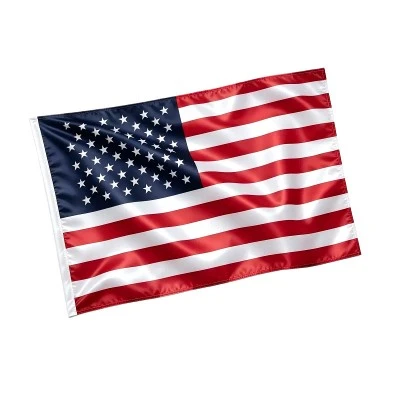
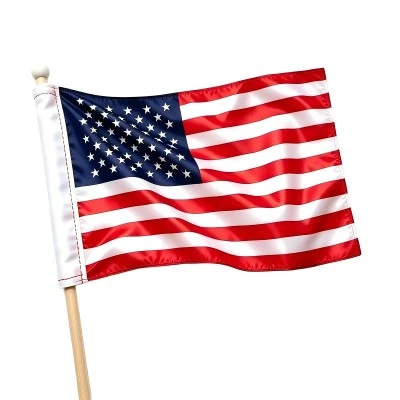


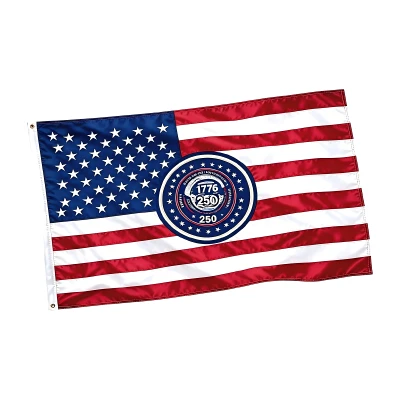
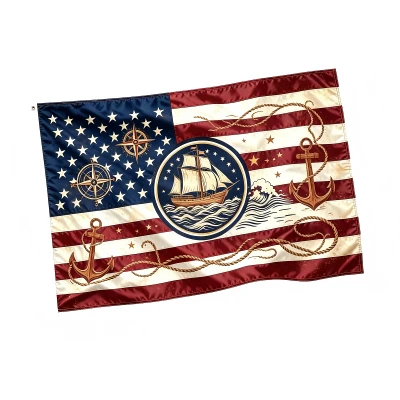
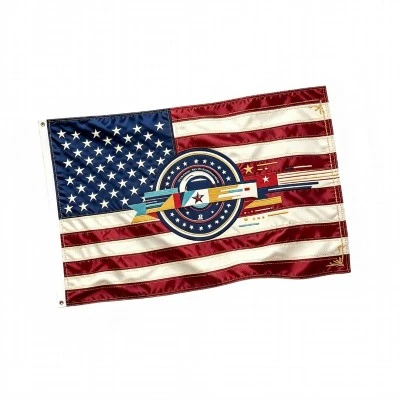
The direct cause of the American flag's waving is the combined effect of airflow and the inertia of the fabric.
When the wind blows, air molecules collide with the flag, applying pressure and causing it to deform. The thin fabric itself cannot remain completely still; the speed of wind changes and the elasticity of the fabric both contribute to the flag's wave-like movement. This phenomenon is similar to the ripples seen when shaking a bed sheet; both are essentially processes of energy transfer across a flexible surface.
① From a physics perspective: Flagpoles typically have a rotating mechanism at the top to prevent the flag from tangling. When airflow passes around the flagpole, the difference in airflow speed on both sides creates a low-pressure area. This pressure difference continuously pulls on the fabric, creating a wave-like effect similar to the lift of an airplane wing. You might find the flag drooping in the calm morning, but it will unfurl again when there is air disturbance (such as airflow from pedestrians or vehicles).
② Influence of material properties: American flags often use a blend of polyester and nylon fabric. This material is between 0.1 mm and 0.2 mm thick, combining light transmission and flexibility. Test data shows that a wind speed of 5 km/h is enough to cause a visible waving. In comparison, a heavier wool flag will sway by more than 40% less under the same wind force.
Similar phenomena are actually quite common in daily life. For example, decorations hanging from car windows sway while a vehicle is moving, or shirts drying on a balcony flutter in the wind; these are all due to the same aerodynamic forces. Even in windless conditions, when a flag raiser forcefully unfolds a flag, the fabric's elasticity will temporarily maintain its stretched state, creating a momentary "windless automatic" effect.