


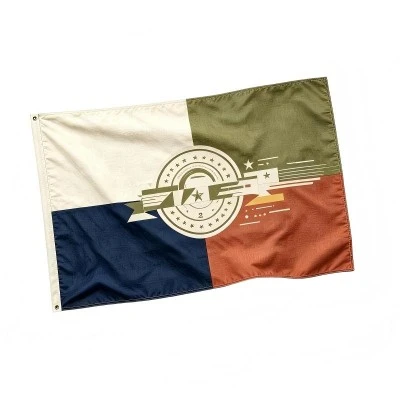
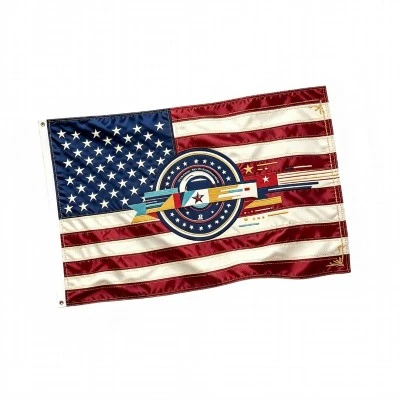
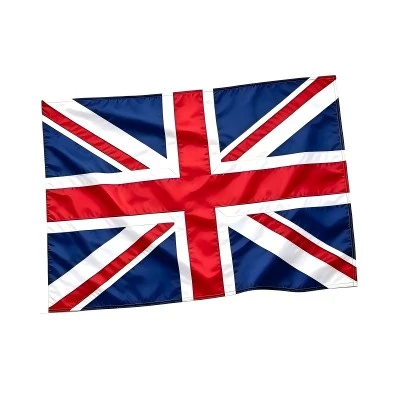
Choosing between embroidered and printed flags is an important decision for wholesalers, distributors, retailers, event organizers and institutional buyers. Both manufacturing methods can produce attractive custom flags, but they differ in appearance, production processes, material requirements, unit costs and suitable applications. When purchasing flags in bulk, selecting the right construction method can influence product quality, inventory planning, purchasing budgets and customer satisfaction.
Whether you are sourcing national flags, military flags, corporate promotional flags or customized event products, understanding the differences between embroidery and printing will help you make a more informed purchasing decision. A flag designed for an official ceremony may require a very different construction from a promotional flag ordered for a large outdoor event. Similarly, a retailer sourcing customized flags for seasonal sales may prioritize production flexibility and competitive unit pricing over decorative stitching.
MAOSEN provides flag manufacturing solutions covering embroidery, appliqué, digital printing, sewing and customized finishing. These capabilities allow different flag designs to be evaluated according to their actual requirements rather than forcing every project into one production method. In this guide, we compare both techniques and explain how bulk buyers can select a suitable manufacturing solution.
Quick Answer: Embroidered flags are generally suitable for ceremonial displays, institutional projects, premium presentations and designs that require raised textile details. Printed flags are often a practical choice for detailed graphics, promotional campaigns, event flags and large-volume orders where design flexibility and budget efficiency are important.
The best option depends on your artwork, quantity, application, material, display environment and target price rather than simply choosing one production method for every project.
What Are Embroidered Flags?
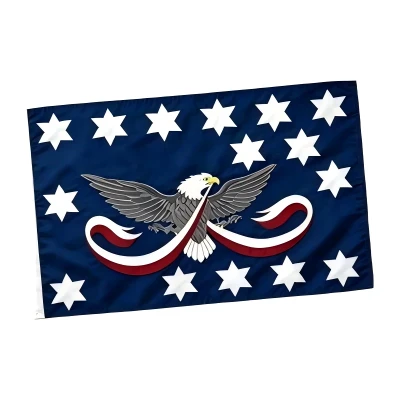
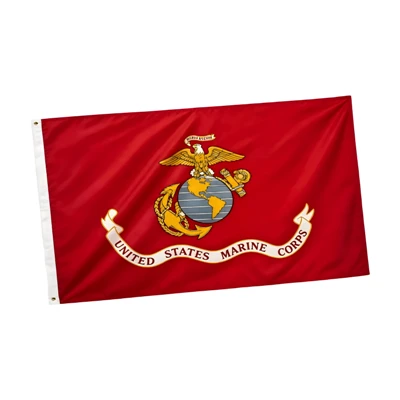
Embroidered flags are produced by stitching colored threads into a fabric base to create letters, logos, symbols, decorative borders and other design elements. Instead of applying the artwork as a flat printed image, the design is formed through a series of stitches. This process creates a raised surface that can be seen and felt, giving the finished flag a traditional textile appearance.
For buyers looking for custom embroidered flags, the main attraction is the combination of visual depth, craftsmanship and presentation quality. Embroidery can make an emblem stand out from the surrounding fabric, particularly when the design contains defined shapes, lettering or traditional symbols. This is why embroidered flag products are frequently considered for institutional displays, commemorative projects, ceremonial environments, clubs and premium merchandise programs.
How Does Flag Embroidery Work?
The manufacturing process begins with the customer's artwork. The design is reviewed and converted into a suitable embroidery program. This preparation determines stitch direction, stitch density, thread colors and the order in which different design sections are completed. Once the artwork is approved, computerized embroidery equipment stitches the selected thread patterns onto the fabric.
The fabric is then checked for alignment, surface appearance and stitching consistency. Depending on the product specification, the flag may receive additional sewing, reinforced edges, a pole sleeve, grommets or other finishing details. The final construction should be evaluated as a complete flag rather than judging embroidery quality alone.

Common Embroidery Options
Detailed Thread Coverage
Full-surface embroidery uses stitches to build larger areas of the design. It creates a strong dimensional appearance and is appropriate for premium presentation flags, formal emblems and products where textile craftsmanship is a major part of the product value. However, extensive stitching may increase production time, material consumption and overall cost.
Focused Decorative Details
Outline embroidery emphasizes selected lines, lettering, borders or logo elements while leaving larger fabric areas uncovered. This approach can reduce the amount of stitching required and help preserve a lighter flag construction. It is useful for buyers who want a distinctive embroidered appearance without covering the entire flag surface with thread.
Premium Visual Effects
Metallic threads can be incorporated into selected areas to create a decorative finish. Gold and silver accents may be suitable for ceremonial or commemorative designs. The exact thread specification and intended display environment should be confirmed before ordering.
Combined Textile Construction
Applique uses separately cut fabric pieces to form larger areas of a design, while embroidery adds stitched outlines and decorative details. Combining these techniques can create a dimensional result without requiring every large color area to be filled with embroidery stitches.
Advantages of Embroidered Flags
- Distinctive texture: Stitched elements create a raised appearance that is different from a flat printed surface.
- Traditional presentation: Embroidery works well with formal, commemorative, organizational and premium flag designs.
- Defined decorative details: Logos, lettering, borders and emblems can be highlighted through thread construction.
- Product differentiation: Embroidered construction can help wholesalers develop premium product ranges.
- Flexible finishing: Embroidered designs can be combined with sewn panels, reinforced hems and different mounting options.
Limitations to Consider
Embroidery is not automatically the best solution for every design. Photographic images, very fine gradients and artwork with many small color transitions can be difficult to reproduce accurately through stitching. Large stitched areas may also increase the weight and stiffness of the flag. For some applications, a heavy embroidery construction may affect how easily the product moves in light wind.
Buyers should also consider the relationship between stitch density, fabric thickness and final flag dimensions. A design that looks attractive on a small sample may need adjustment when reproduced on a much larger flag. Reviewing a digital proof and, when appropriate, a physical sample is an important step before approving a large production run.
For additional product information, buyers can explore MAOSEN's Embroidery Flags collection to understand available embroidered flag styles and customization possibilities.
What Are Printed Flags?
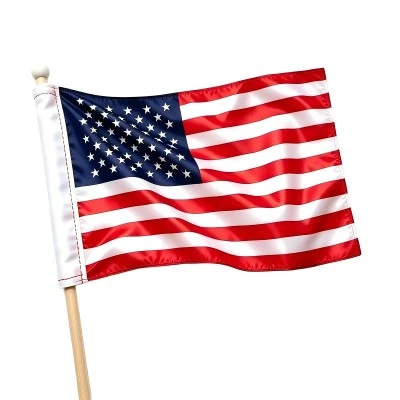
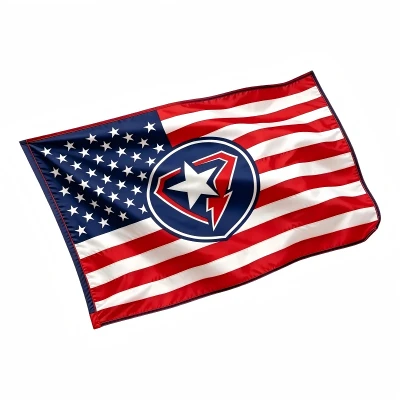
Printed flags are produced by transferring artwork, patterns and colors onto textile materials through a selected printing process. Unlike embroidery, printing creates a relatively flat image on the fabric surface. This makes it suitable for designs containing many colors, fine graphic elements, photographs, gradients and detailed brand artwork.
For wholesalers and distributors, printed flags wholesale programs are often attractive because printing provides flexibility across a broad range of designs. A buyer may need several country flags, corporate logos, event graphics or promotional messages within one purchasing program. Printing can make it easier to reproduce these different designs without creating an individual embroidery program for every artwork.
Common Flag Printing Methods
Digital Printing
Digital printing transfers artwork from a digital file to fabric. It is suitable for custom graphics, detailed logos, multi-color designs and customized projects. Artwork can be adjusted digitally before production, making this approach useful for buyers with changing product designs or multiple variations.
Dye-Sublimation Printing
Dye-sublimation uses heat to transfer dye into compatible polyester fibers. The process is widely used for polyester flag products requiring vibrant color reproduction and detailed graphics. Its suitability depends on the fabric, ink system, transfer settings and intended application.
Screen Printing
Screen printing applies ink through prepared screens. It can be economical for repeated designs with a limited number of solid colors, especially when order quantities justify the setup work. Buyers should evaluate artwork complexity and setup requirements when comparing it with digital alternatives.
Direct Fabric Printing
Direct fabric printing applies ink directly to the textile surface. It can support customized graphics and different order requirements depending on the selected equipment and fabric. The final result should be checked for color appearance, image definition and suitability for the intended display environment.

Advantages of Printed Flags
Complex artwork: Printing is suitable for photographs, gradients, fine illustrations and multi-color patterns.
Design flexibility: Different artworks can be prepared and reproduced from digital files.
Flat surface: The absence of extensive raised stitching provides a smooth graphic appearance.
Product range expansion: Buyers can develop promotional, seasonal, decorative and branded flag collections.
Production planning: Printing methods can be selected according to order quantity, artwork and required delivery schedule.
Limitations of Printed Flags
Printed flags do not provide the raised textile texture associated with embroidery. Their final color quality depends on the fabric, ink system, printing method, transfer process and finishing conditions. Buyers should not assume that every printing process produces the same level of color penetration, colorfastness or outdoor performance.
For example, a flag displayed under strong sunlight may face different environmental conditions from a flag used for a short indoor exhibition. Buyers should specify the expected use, maintenance requirements, fabric selection and color expectations before placing a large order. A sample can help confirm whether the selected printing method matches the actual project requirements.
Embroidered vs Printed Flags: Main Differences
When comparing embroidered vs printed flags, buyers should evaluate more than the visual appearance. The manufacturing process influences the surface texture, artwork suitability, production requirements, material selection and final cost. The following comparison provides a practical starting point for wholesale purchasing decisions.
| Comparison Factor | Embroidered Flags | Printed Flags |
|---|---|---|
| Surface Appearance | Raised thread texture with visible stitching. | Flat graphic surface with printed artwork. |
| Design Suitability | Logos, symbols, lettering and defined emblems. | Photographs, gradients and complex graphics. |
| Color Reproduction | Limited by selected thread colors and stitch construction. | Supports a broad range of printed colors and image details. |
| Material Interaction | Threads are stitched into the fabric base. | Ink or transferred dye is applied to compatible fabric. |
| Product Weight | May be heavier when stitch coverage is extensive. | Usually has a flatter and lighter surface construction. |
| Production Preparation | Requires embroidery digitizing and stitch planning. | Requires artwork preparation and printing setup. |
| Cost Factors | Stitch density, coverage, thread use and design complexity. | Printing method, fabric, ink, colors and quantity. |
| Typical Applications | Ceremonies, institutions, premium displays and emblems. | Promotions, events, advertising and detailed graphics. |
| Customization | Thread colors, stitching details and fabric construction. | Artwork, colors, image details and dimensions. |
| Quality Checks | Stitch consistency, puckering, alignment and thread tension. | Color consistency, image clarity and transfer quality. |
Appearance and Visual Presentation
Embroidery is usually selected when the texture of the flag is part of the desired product experience. Raised lettering and stitched emblems can make an organizational or ceremonial flag appear more traditional. Printed flags are useful when the design needs to reproduce detailed visual information across a relatively smooth surface.
Design Complexity and Artwork
A simple emblem with several solid colors may be suitable for embroidery, applique or printing. A photograph containing shadows, gradients and many subtle transitions is generally more suitable for printing. A design with large solid fabric sections and smaller decorative outlines may benefit from a combination of applique and embroidery. Buyers should share their actual artwork rather than choosing a process based only on the product name.
Durability and Display Conditions
Durability is influenced by many factors, including fabric weight, thread or ink quality, sewing construction, reinforcement, exposure to sunlight, wind, moisture and maintenance. It would be inaccurate to claim that every embroidered flag lasts longer than every printed flag. A well-constructed printed flag may perform better than an embroidered flag made with unsuitable fabric or weak finishing. The correct comparison must consider the complete product specification and expected environment.
Which Flag Type Is Better for Bulk Orders?
There is no universal winner in the comparison of embroidered vs printed flags. The better option depends on what the buyer is ordering, how the products will be used and how the finished flags need to be positioned in the market. For bulk buyers, the most important question is whether the chosen manufacturing method delivers the required quality at a commercially suitable cost.
Premium Presentation Is Important
- The flag features an official or organizational emblem.
- Raised lettering and decorative thread details are required.
- The product is intended for ceremonies or formal displays.
- The buyer is developing a premium flag collection.
- Traditional textile craftsmanship is part of the product value.
Graphic Flexibility Is Important
- The artwork contains photographs or color gradients.
- The product requires many different graphic variations.
- Promotional messages need to be reproduced clearly.
- The project includes event or advertising flags.
- The buyer needs a practical solution for broad design coverage.
Consider Order Quantity and Design Count
Bulk orders can contain one design in a large quantity or many different designs in smaller quantities. These two situations should not be evaluated in the same way. A single large run of identical printed flags may have a different cost structure from a program containing many individual artworks. Similarly, embroidered designs require digitizing and stitch preparation, so buyers should clarify whether artwork setup charges apply and whether the same embroidery program can be reused for repeat orders.
When requesting quotations for embroidered flags wholesale or printed flags wholesale, provide the quantity for each individual design, not just the total quantity across the whole purchase. This helps the manufacturer evaluate production arrangements and offer a more accurate quotation.
Consider the Intended Customer
A distributor serving government institutions may have customers who value traditional stitched emblems and formal presentation. A promotional merchandise supplier may serve businesses that need customized advertising graphics, event flags and frequent artwork changes. A retailer selling decorative flags may need a range of styles at different price levels. The best manufacturing choice should support the buyer's customer base and product positioning.
Consider Repeat Orders
For long-term wholesale programs, repeatability is important. Buyers should keep approved artwork files, color references, dimensions, fabric specifications and finishing requirements. For embroidered products, the approved stitch program should be retained where possible. For printed products, the approved artwork and printing specifications should be recorded. This makes it easier to coordinate repeat orders and reduce avoidable differences between production batches.
Bulk purchasing tip: Before comparing unit prices, make sure every supplier is quoting the same fabric, size, construction, finishing, packaging and inspection requirements. A lower quotation is not necessarily a better offer if the specifications are different.
Best Applications for Embroidered and Printed Flags
Different applications place different demands on a flag. Understanding where the finished product will be displayed helps determine whether embroidery, printing or a combined construction method is appropriate.
Government and Institutional Flags
Government buildings, schools, associations and institutional buyers may require flags with recognizable symbols, consistent colors and formal presentation. Embroidered details can be appropriate when the emblem or decorative appearance is important. Printed construction may also be suitable when the design needs accurate reproduction of complex colors or when the project requires a large number of variations. Specifications should be confirmed against the buyer's official artwork and procurement requirements.
Military and Ceremonial Flags
Military unit flags, ceremonial banners and commemorative displays often place greater emphasis on the appearance of insignia, borders and decorative elements. Embroidery and applique can create a dimensional textile finish, while reinforced sewing can support the structure of larger flags. Buyers should confirm the required construction, fringe, pole sleeve, header and other finishing details before approving production.
Corporate and Promotional Flags
Businesses often need flags carrying logos, brand colors, slogans and campaign artwork. Printed flags are useful when the design includes multiple colors or detailed graphic elements. Embroidered logo flags may be more suitable for premium office displays, brand presentations and selected corporate merchandise. For these projects, accurate artwork preparation and color approval are important parts of the purchasing process.
Sports Clubs and Event Flags
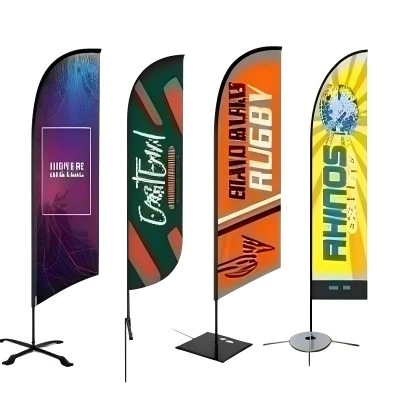
Sports teams, clubs, fan groups and event organizers may need different flag sizes, shapes and designs for stadiums, exhibitions and promotional activities. Printed construction can reproduce detailed graphics and multiple team designs. Embroidery can be considered for premium club emblems or commemorative products. The choice should also account for how the flag will be carried, installed or displayed.
Retail and Decorative Flag Collections
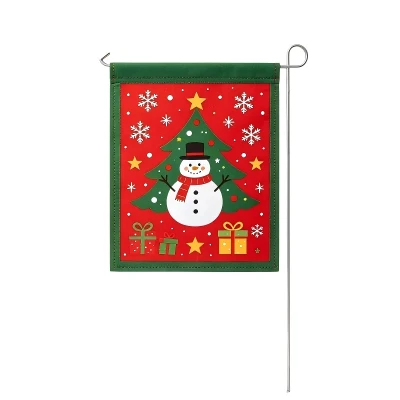
Retailers often build product ranges around seasons, holidays, local themes and customer preferences. Printed decorative flags can support detailed illustrations and changing designs. Embroidered decorative products may be positioned as premium or specialty merchandise. Garden flags and other small-format products also require attention to fabric, edge finishing and the type of mounting arrangement used by the customer.
Understanding Bulk Flag Costs
When comparing embroidered vs printed flags, buyers should look beyond the quoted price per piece. The actual cost of a bulk flag order is influenced by the manufacturing method, artwork complexity, fabric specification, finishing requirements, order quantity, packaging and shipping arrangements. A clear quotation should identify these factors so that buyers can compare suppliers on an equivalent basis.
Embroidery Cost Factors
Embroidery costs are affected by the number of stitches, total coverage area, number of thread colors, design complexity and fabric handling requirements. A small embroidered logo may require considerably less production work than a design covering a large portion of the flag. Buyers should provide vector artwork or a high-quality reference image so the manufacturer can evaluate the design and prepare an appropriate embroidery plan.
Another factor is the size of the order. A reusable embroidery program may support repeat production, but the initial digitizing and setup process still needs to be considered. If a project includes many different designs, each design may require separate preparation and approval. This is why buyers should list all artwork variations when requesting an embroidered flag quotation.
Printing Cost Factors
Printing costs depend on the selected printing method, fabric type, artwork dimensions, number of designs, color requirements and production quantity. Digital printing can be useful for detailed artwork and flexible design requirements. Screen printing may be considered for repeated solid-color graphics when the quantity and setup cost make it commercially suitable.
For custom printed flags, buyers should also clarify whether the artwork requires special color matching, additional finishing or separate packaging. If the project contains multiple designs, the manufacturer should confirm how the order will be scheduled and whether there are minimum quantities for each artwork.
Compare the Total Landed Cost
The unit manufacturing price is only one part of a wholesale purchasing decision. Buyers importing flags should also consider packaging, carton dimensions, freight, customs-related expenses, inspection requirements and inventory handling. A flag that appears less expensive at the factory level may not provide the best overall value if it requires different packaging or additional processing.
Confirm file quality, color references, design complexity and setup requirements before production.
Compare material specifications according to product use, appearance and budget.
Include hems, sleeves, grommets, reinforcement and other required construction details.
Check individual packaging, carton specifications and the planned shipping arrangement.
Quality Control for Wholesale Flag Orders
Quality control is especially important when a purchase involves hundreds or thousands of flags. A small difference in artwork alignment, color appearance, dimensions or finishing can become more noticeable across a large shipment. Buyers should establish clear acceptance criteria before mass production instead of waiting until the goods arrive to identify problems.
Artwork and Color Approval
Start by checking the original artwork, logo proportions, spelling, color references and placement. For printed flags, review the digital proof and confirm that the final fabric sample represents the expected appearance. For embroidered flags, inspect stitch density, thread colors, design alignment and the relationship between the stitched artwork and the base fabric.
Physical Sample Inspection
A physical sample is particularly useful when the project involves a new design, a premium construction or a substantial order quantity. Buyers can inspect the fabric hand feel, actual dimensions, stitching, print quality, finishing and mounting features. If the sample is approved, it can serve as a reference for subsequent production checks.
Dimensional and Construction Checks
Measurements should be compared against the approved specification. Inspect the hem width, pole sleeve, grommet position, seam alignment and any reinforced sections. For embroidered products, check whether the fabric has puckering around dense stitching. For printed products, examine the image clarity, color consistency and visible defects.
Packaging and Shipment Preparation
Before shipment, confirm that each product is folded, packed and labeled according to the agreed requirements. If an order contains different designs or sizes, clear identification can help prevent confusion during warehouse handling and distribution. Carton markings and packing lists should also match the purchasing documents.
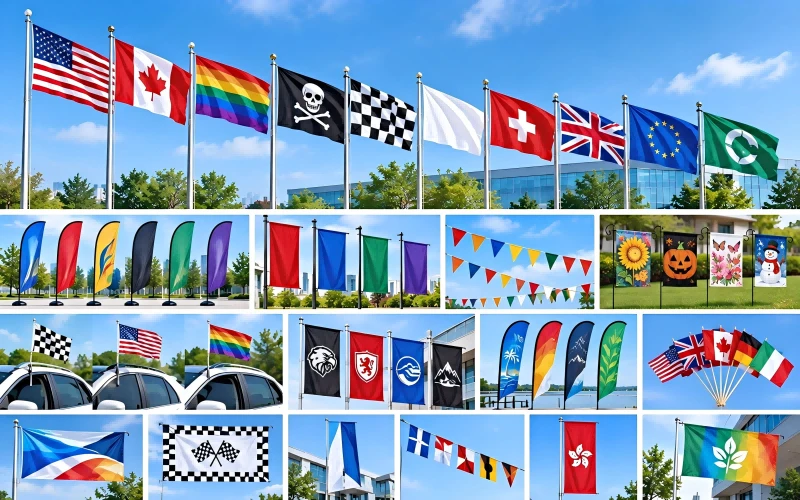
Recommended practice: Approve the artwork, production method, material, sample, finishing and packaging specification before authorizing the full production run. A documented approval process helps both the buyer and manufacturer work toward the same product standard.
How to Choose the Right Flag Manufacturer for Bulk Orders
Choosing the right supplier is an important part of any wholesale purchasing program. A competitive price is useful, but buyers also need a manufacturer that understands the artwork, recommends appropriate construction methods and can coordinate production, inspection and delivery requirements. This is particularly important when the order includes both embroidered and printed designs.
Check Manufacturing Capabilities
Ask whether the supplier has the equipment and production processes needed for your selected flag type. A manufacturer offering embroidery, applique, printing and sewing can evaluate different construction options according to the artwork. However, buyers should still confirm which processes are handled in-house and which specifications apply to the requested product.
Review Customization Support
A reliable supplier should be able to discuss fabric, dimensions, thread colors, printed artwork, finishing and packaging. Buyers who are developing a new product range may also need support with artwork review and sample approval. These details can make a substantial difference when moving from a concept to a repeatable wholesale product.
Understand the Quotation
Request quotations using a consistent specification sheet. Include the flag dimensions, material, artwork, manufacturing method, quantity per design, finishing and packaging requirements. If you are comparing several suppliers, make sure that each quotation covers the same product configuration. This provides a more meaningful comparison than evaluating unit prices alone.
Evaluate Communication and Repeat Orders
Clear communication is important when multiple designs or production stages are involved. The supplier should explain what information is required, when proofs or samples will be available and which specifications need approval. For repeat orders, maintaining production records and approved artwork helps support consistency and makes future purchasing more efficient.
MAOSEN Custom Flag Manufacturing Solutions
Zhejiang MAOSEN Flag Co., Ltd. was founded in 1997 and has developed manufacturing capabilities covering embroidery, applique, digital printing, sewing and customized flag production. The company serves wholesalers, distributors, retailers, organizations and commercial buyers with different flag requirements.
MAOSEN supports customization across flag size, shape, fabric, artwork, construction, finishing and packaging. Buyers can discuss their designs and project specifications to evaluate suitable production methods before confirming a bulk order.
For projects requiring multiple manufacturing techniques, the team can review the application and recommend a suitable combination based on the artwork and intended use.
To discuss artwork, dimensions, materials or production requirements, visit the MAOSEN Custom Flag Solutions page and review the available customization services.
FAQ About Embroidered vs Printed Flags
Q1. Are embroidered flags better than printed flags?
Neither method is universally better. Embroidered flags are suitable for designs that benefit from raised stitching, traditional presentation and detailed textile emblems. Printed flags are generally more suitable for complex graphics, photographs, gradients and multi-color designs. The best choice depends on the artwork, application, budget and required product construction.
Q2. Are printed flags more affordable for bulk orders?
Printed flags can be cost-effective for many bulk projects, particularly when the artwork contains complex graphics or multiple colors. However, the final price depends on the printing method, fabric, order quantity, setup requirements and finishing. A quotation should be based on the complete product specification rather than the manufacturing method alone.
Q3. Can embroidered flags be used outdoors?
Yes, embroidered flags can be manufactured for outdoor applications. Their performance depends on the fabric, thread, stitching, edge reinforcement, mounting construction and environmental exposure. Buyers should specify the intended display conditions and discuss appropriate material and finishing options with the manufacturer.
Q4. Can printed flags reproduce photographs and gradients?
Printing is generally the more suitable method for photographs, gradients, complex illustrations and designs containing many color transitions. The final image quality depends on the printing equipment, fabric, artwork resolution, ink system and production settings. A proof or sample can help confirm the expected result.
Q5. What is the difference between embroidery and applique flags?
Embroidery creates a design using stitches and colored threads. Applique uses separately cut pieces of fabric that are attached to the flag base with stitching. The two methods can also be combined, with applique forming larger color areas and embroidery adding outlines or smaller decorative details.
Q6. Can I combine embroidered and printed flags in one wholesale order?
Many custom manufacturing projects can include different flag types, but production arrangements depend on the supplier's capabilities and the specifications of each design. Buyers should provide a product list showing the quantity, dimensions, artwork and required manufacturing method for every item.
Q7. What fabric is commonly used for custom embroidered and printed flags?
Polyester is commonly used for many custom flag products because it is available in different fabric constructions and weights. The appropriate specification depends on the desired appearance, display environment, product size and budget. Buyers should confirm the exact fabric with the manufacturer before approving production.
Q8. What should I check before approving a bulk flag sample?
Review the dimensions, artwork placement, color appearance, fabric quality, stitching or printing details, edge construction, mounting features and packaging. For embroidered flags, pay particular attention to stitch alignment and fabric puckering. For printed flags, check image clarity and color consistency.
Q9. Can MAOSEN manufacture custom embroidered flags with company logos?
MAOSEN supports customized embroidered flag designs, including logos, lettering and other graphic elements. Buyers can submit their artwork and discuss flag dimensions, thread colors, fabric, finishing and packaging requirements before production.
Q10. How can I get a quotation for printed flags wholesale?
Prepare the artwork, required dimensions, fabric preferences, quantity per design, finishing details and delivery destination. Providing this information allows the manufacturer to review the project and prepare a quotation based on the actual product requirements.
Q11. Should I request a sample before placing a large flag order?
For a new design or a substantial purchasing program, a pre-production sample is a practical way to review construction, materials, colors, dimensions and finishing. It allows the buyer to confirm important details before the full order moves into production.
Q12. How do I choose between custom embroidered flags and custom printed flags?
Start with the artwork and intended application. Select embroidery for raised textile details and formal presentation, or printing for complex images and broad color reproduction. If the design includes large fabric color blocks and smaller detailed elements, discuss whether applique and embroidery can be combined. The manufacturer can then evaluate the most appropriate construction for the project.
Choose the Right Flag Construction for Your Business
The decision between embroidered vs printed flags should be based on the actual requirements of the project. Embroidery provides a distinctive raised surface and is well suited to traditional emblems, ceremonial products and premium presentations. Printing offers greater flexibility for complex artwork, detailed graphics, photographs and promotional designs. Both methods can support professional bulk flag orders when the material, production process and finishing are selected appropriately.
For wholesalers, importers, distributors and institutional buyers, the most effective purchasing strategy is to evaluate the complete product specification. Artwork complexity, order quantity, display conditions, budget, fabric, reinforcement and repeat-order requirements should all be considered before production begins.
Working with a manufacturer that understands embroidery, applique, printing and sewing can also make the sourcing process more flexible. Instead of selecting a manufacturing method based only on its name, buyers can discuss the actual artwork and application to identify a suitable construction solution.
MAOSEN provides custom flag manufacturing and wholesale support for customers seeking embroidered flags, printed flags and other customized flag products. By preparing clear artwork, confirming samples and agreeing on specifications before mass production, buyers can build more consistent product programs and establish a dependable supply process.
Looking for a Reliable Custom Flag Manufacturer?
Whether you need custom embroidered flags, printed promotional flags, institutional banners or large-volume wholesale flag orders, MAOSEN can help evaluate your artwork, material requirements and production options.
Send your design, dimensions and estimated order quantity to discuss a suitable manufacturing solution for your business.
Zhejiang MAOSEN Flag Co., Ltd. | Custom Flag Manufacturing & Wholesale Supply
From artwork review and sample approval to bulk production and shipment, we support your custom flag project with coordinated manufacturing services.