


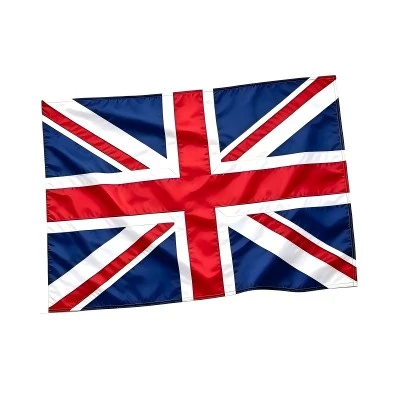
In professional flag manufacturing, the construction method has a direct influence on appearance, material usage, production complexity and finished product quality. Applique and embroidery are two important textile techniques used to create decorative patterns, logos, symbols and institutional designs. Although both methods involve stitching and can produce dimensional visual effects, they work in fundamentally different ways.
For wholesalers, importers, distributors and institutional buyers, understanding the difference between these processes is important when selecting a manufacturer. A design with large solid-color areas may benefit from fabric applique, while a detailed emblem with fine lines and lettering may require computerized embroidery. Some projects can achieve a more balanced result by combining both techniques.
This guide explains how the two manufacturing methods work, compares their construction details, and examines their advantages, limitations, costs and applications. It also introduces how MAOSEN approaches fabric preparation, laser cutting, computerized stitching, edge reinforcement and customized production for different flag requirements.
Quick Answer: Applique builds a design using separately cut fabric pieces attached to a flag base, while embroidery creates patterns through colored threads stitched directly into the fabric. Applique is particularly suitable for large solid-color shapes and defined fabric edges. Embroidery is useful for detailed logos, lettering, decorative outlines and raised thread textures. Combining the two methods can provide both broad color coverage and refined stitched details.
What Is Applique Flag Manufacturing?
Appliqué is a textile construction technique in which separately prepared fabric pieces are attached to a base fabric to create a complete design. Instead of forming the entire graphic through thread stitches, the manufacturer cuts selected colors and shapes from fabric, positions them on the flag surface and secures their edges with stitching.
This method is particularly useful for designs containing large solid-color areas, recognizable symbols, geometric patterns and clear boundaries between different colors. Since the main color sections are formed by actual fabric pieces, the finished product can have a layered textile appearance with visible construction details.
How the Applique Production Process Works
The process begins with artwork evaluation and color separation. The original design is divided into individual fabric components according to its shapes, color areas and construction requirements. Each component is prepared as a cutting pattern. The fabric pieces are then cut to the required dimensions and arranged on the base material according to the approved artwork.
Once the pieces are correctly positioned, their edges are stitched to secure them to the underlying fabric. The stitching method depends on the design, expected application and desired finish. After assembly, the flag is inspected for edge alignment, stitching consistency, fabric distortion and overall dimensions. Additional sewing and reinforcement can then be completed according to the product specification.
Zigzag Applique
Zigzag stitching secures the edges of the cut fabric pieces using a repeating zigzag pattern. It provides a practical balance between edge coverage, construction strength and production cost. This method is suitable for many institutional, organizational and general-purpose textile designs where a clear stitched boundary is required.
Satin-Stitch Applique
Satin stitching uses closely arranged stitches to create a smoother and denser edge finish. It can produce a more refined appearance around fabric shapes and is often considered for formal designs, presentation products and decorative textile projects. The stitch width and density should be adjusted according to the fabric and pattern.
Key Advantages of Applique
Large color areas: Separate fabric pieces are suitable for creating broad solid-color sections without filling the entire area with embroidery threads.
Defined pattern edges: Stitched boundaries create clear visual separation between different fabric components.
Layered appearance: The use of multiple fabric layers produces a dimensional textile surface.
Material flexibility: Different fabric colors and compatible textile materials can be selected for individual design sections.
Construction options: Zigzag and satin stitching provide different finishing styles for different applications.
Limitations of Applique
Applique requires careful cutting and positioning. Designs containing very small elements, extremely narrow lines or complex gradients may be difficult to reproduce accurately using separate fabric pieces. The number of components can also increase preparation and assembly time. When a design contains many small shapes, the manufacturer must evaluate whether the resulting construction will remain neat and practical at the final flag size.
Fabric thickness is another consideration. Multiple overlapping layers may affect the flexibility and weight of the finished flag. For products intended to move freely in outdoor conditions, the number of fabric layers, edge stitching and overall construction should be evaluated together.

MAOSEN's manufacturing capabilities include precision fabric cutting, applique assembly and different edge-stitching options. Buyers can review the company's custom flag manufacturing and craftsmanship services to understand the available production approaches.
What Is Embroidery Flag Manufacturing?
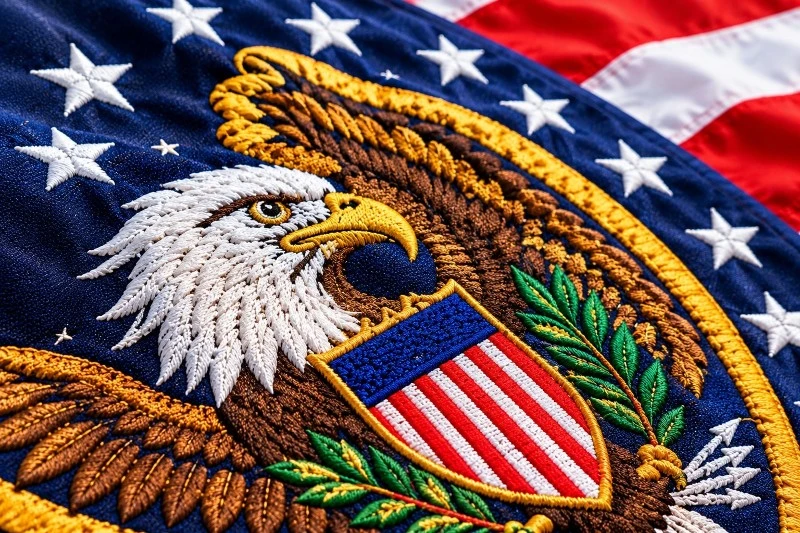
Embroidery is a decorative textile process in which colored threads are stitched into a fabric base to form patterns, lettering, emblems and graphic details. Computerized embroidery equipment follows a programmed stitch layout to reproduce the approved design. Unlike applique, which uses separate fabric components to create large color areas, embroidery builds the visual elements through thread coverage.
The result is a distinctive surface texture. Depending on stitch density, thread direction and coverage, the design may appear raised, textured or highly detailed. This makes embroidery suitable for products where the stitched appearance itself is an important part of the final presentation.
How the Embroidery Production Process Works
The first stage is artwork preparation. The original graphic is reviewed and converted into a digitized stitch file. During this stage, the design is divided into stitch sections, and the manufacturer determines stitch direction, density, thread colors and sewing sequence.
The fabric is then positioned and stabilized for embroidery. The machine follows the prepared program, stitching the selected thread patterns onto the fabric. Once the stitching is completed, excess threads and stabilizing materials are handled according to the production requirements. The flag is then inspected for alignment, thread tension, surface puckering and stitching consistency.
Common Embroidery Styles
Uses extensive thread coverage to create a dense and dimensional pattern. Suitable for designs where a strong stitched appearance is required.
Focuses on the outlines of logos, lettering and symbols, leaving larger internal areas as the original fabric.
Uses selected metallic threads to create decorative gold or silver details for formal and presentation-focused products.
Uses programmed stitch patterns and controlled machine movement to reproduce approved artwork consistently.
Advantages of Embroidery
- Detailed thread work: Fine lettering, decorative outlines and selected logo details can be reproduced through carefully planned stitches.
- Raised texture: The finished surface has a tangible textile appearance that differs from flat printing.
- Traditional presentation: Embroidery is frequently selected for formal, commemorative and institutional designs.
- Programmed production: Once the embroidery file is approved, it can support repeat production of the same design.
- Decorative flexibility: Different thread colors, stitch directions and coverage levels can be used to achieve different visual results.
Limitations of Embroidery
Embroidery is not ideal for every artwork. Photographic images, smooth gradients and large areas requiring many subtle color transitions are generally more difficult to reproduce with thread. High stitch density can also make the fabric heavier or stiffer, particularly when a large section of the design is fully covered.
For larger projects, buyers should consider the relationship between stitch density and base fabric thickness. Poorly controlled tension can create puckering or distortion around heavily embroidered areas. Proper digitizing, machine setup and sample inspection are therefore important before mass production.
For product details and available customization options, explore the MAOSEN Embroidery Flags collection.
Applique vs Embroidery: Main Manufacturing Differences
Although both techniques use stitching, the actual manufacturing operations are different. Applique requires fabric cutting, pattern positioning and edge attachment. Embroidery requires digitizing, thread selection and programmed stitching. Understanding these differences helps buyers choose a process that matches their artwork and production expectations.
| Comparison Factor | Applique | Embroidery |
|---|---|---|
| Basic Construction | Separate fabric pieces are attached to a base fabric. | Colored threads are stitched into the base fabric. |
| Design Formation | Large shapes are created using cut fabric components. | Patterns are created through programmed thread stitches. |
| Visual Appearance | Layered fabric sections with visible stitched edges. | Raised thread texture and decorative stitch details. |
| Best Design Types | Large solid shapes, geometric patterns and distinct color blocks. | Logos, lettering, fine emblems and decorative details. |
| Preparation | Color separation, pattern cutting and fabric positioning. | Artwork digitizing, stitch planning and thread selection. |
| Edge Treatment | Zigzag or satin stitching around fabric components. | Stitches form the graphic itself. |
| Material Usage | Requires additional fabric pieces for the design. | Requires embroidery threads and suitable base fabric. |
| Surface Thickness | Depends on the number and thickness of fabric layers. | Depends on stitch density and thread coverage. |
| Fine Details | Limited by cutting size and edge construction. | Can reproduce many small details within suitable stitch limits. |
| Production Factors | Cutting accuracy, component alignment and edge stitching. | Digitizing quality, thread tension and stitch consistency. |
| Typical Applications | Large institutional designs, banners and solid-color patterns. | Decorative emblems, lettering and premium presentation flags. |
Differences in Design Preparation
Applique design preparation focuses on dividing the artwork into fabric sections. Each section needs a cutting pattern, a material color and a position on the base flag. The manufacturer must consider how the edges will meet and how the stitching will secure each component.
Embroidery preparation focuses on converting the artwork into a stitch sequence. The digitizer needs to consider stitch density, direction, underlay, thread changes and the order of production. The quality of the digitized file can influence both the visual appearance and the stability of the finished fabric.
Differences in Surface Construction
Applique creates a layered construction because separate pieces of fabric are attached to the base. Embroidery creates its texture through threads. Both can provide a dimensional appearance, but the source of that dimension is different. This distinction matters when a buyer has requirements concerning weight, flexibility, surface feel or visual presentation.
Differences in Production Planning
Applique production requires accurate cutting and component assembly, while embroidery production requires a prepared stitch file and controlled machine operation. The actual production time for either method depends on design complexity, dimensions, quantity and equipment arrangement. It is therefore not accurate to assume that one process is always faster or cheaper than the other.
Why Combine Applique and Embroidery?
Some flag designs contain both large color sections and small decorative elements. Producing the entire design through one technique may increase material consumption, create unnecessary stitching or limit the level of detail. A combined manufacturing approach can address these different requirements within one product.
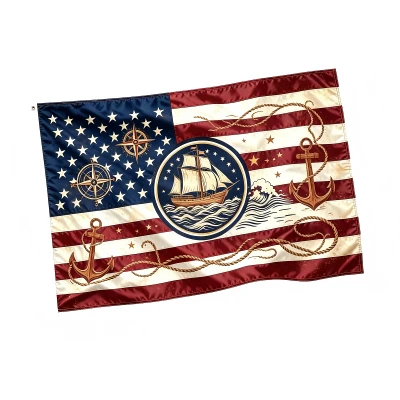
In an applique and embroidery combination, larger graphic sections are formed using cut fabric components, while embroidery adds outlines, lettering, symbols or other selected details. This approach allows the manufacturer to use fabric for broad color areas and threads for decorative precision.
How a Combined Manufacturing Process Works
- Artwork Separation
The original design is divided into fabric sections and embroidered details. The manufacturer identifies which elements require separate fabric pieces and which should be formed with thread. - Fabric Pattern Preparation
Individual components are prepared and cut according to the approved dimensions. Their colors, shapes and positioning are checked before assembly. - Applique Assembly
The cut fabric sections are positioned on the base material and secured through the selected edge-stitching method. - Embroidery Execution
Selected details such as outlines, lettering and decorative emblems are stitched according to the approved digitized program. - Final Sewing and Inspection
The finished design is checked for alignment, surface consistency and construction quality before additional hemming and reinforcement.
When Is a Combined Technique Suitable?
Large Institutional Emblems
Large color areas can be constructed with fabric sections, while smaller symbols and lettering receive embroidered details. This can provide a balanced visual result for formal institutional designs.
Military and Ceremonial Designs
Some ceremonial patterns contain broad fabric shapes together with decorative borders, detailed insignia or text. Combining construction techniques can help address these different design requirements.
Complex Organizational Logos
Fabric pieces can reproduce larger logo sections, while embroidery can emphasize selected outlines and smaller decorative details. The final approach depends on artwork size and complexity.
Premium Presentation Products
A combined textile surface can provide layered visual depth and detailed stitching for products where appearance and craftsmanship are important purchasing factors.
For buyers developing Applique Embroidered Flags, the most important step is to evaluate the artwork before production. The manufacturer should determine which elements are better formed by fabric pieces and which should be stitched. This avoids unnecessary complexity and helps maintain a consistent finished appearance.
Fabric and Material Selection for Different Construction Methods
Fabric selection is an important part of flag manufacturing because the base material supports the entire design. It affects how the flag drapes, how it handles stitching and how it performs under different display conditions. The correct material depends on the flag size, construction method, intended application and budget.
Fabric Requirements for Applique
Applique requires compatible fabric pieces that can be cut accurately and attached securely to the base material. The selected fabrics should work together in terms of thickness, flexibility and surface characteristics. Large differences in material behavior can affect alignment and create unevenness around stitched edges.
When several fabric colors are used, color matching is also important. Buyers should confirm the required shades before cutting and assembly, particularly for official symbols and branded designs. A pre-production sample can help evaluate the appearance of the different components under normal viewing conditions.
Fabric Requirements for Embroidery
Embroidery requires a base fabric that can support the selected stitch density without excessive puckering or distortion. The material must be compatible with the machine setup, stabilizing method and thread specification. Lightweight fabrics may need additional support during embroidery, while thicker fabrics may require adjustments to needle selection and machine tension.
Polyester and Other Textile Options
Polyester is commonly used in commercial flag manufacturing because it is available in different weights, constructions and surface finishes. Other textile options may be selected for particular applications, depending on the desired appearance and product specification. Buyers should confirm the actual fabric type and weight rather than relying only on general terms such as premium fabric or heavy-duty material.
Influences product feel, drape, handling and the overall structure of the finished flag.
Helps support consistent fabric cutting, positioning and embroidery execution.
Ensures fabric sections and thread colors are aligned with the approved design.
Determines whether material and finishing options are suitable for indoor or outdoor use.
Production Costs and Efficiency: What Buyers Should Know
The cost difference between applique and embroidery depends on the actual artwork and manufacturing requirements. Neither method is automatically less expensive for every project. A practical quotation should consider material consumption, design preparation, machine operation, labor, production quantity and final finishing.
Factors Affecting Applique Costs
Applique costs are influenced by the number of fabric components, cutting complexity, material colors, component positioning and edge-stitching requirements. A design with a few large shapes may be relatively straightforward to prepare. A pattern containing many small pieces can require more cutting and assembly work.
The size of each component also matters. Large fabric sections may be easier to handle than extremely small pieces, but they can increase material usage. Satin stitching may require a different production effort from standard zigzag stitching, so the selected edge finish should be included in the quotation specification.
Factors Affecting Embroidery Costs
Embroidery costs are commonly influenced by stitch count, total coverage, number of thread colors, design dimensions and digitizing requirements. A simple outline design may require less stitching than a fully covered emblem. Dense stitching can increase machine time and thread consumption, especially for large designs.
For buyers sourcing Embroidery Flags Wholesale, it is important to provide the quantity for each design and clarify whether the same embroidery program will be used for future orders. Repeat production may reduce some preparation work, but the actual quotation should be confirmed against the current specification.
How to Compare Supplier Quotations
When comparing different manufacturers, buyers should request quotations based on the same design, dimensions, fabric, stitch specifications, finishing and packaging. A quotation for simple outline embroidery should not be compared directly with a full-surface applique product. The construction requirements are different.
Purchasing recommendation: Ask the manufacturer to explain the main cost factors and production steps for each proposed method. Comparing the construction details makes it easier to understand whether the quotation represents the same product quality and specification.
Quality Control and Durability in Textile Flag Manufacturing
Both techniques require careful quality management. A visually attractive sample does not automatically guarantee consistent mass production. Buyers should establish clear inspection criteria covering fabric preparation, design alignment, stitching quality, finished dimensions and reinforcement details.
Applique Quality Inspection
Check whether each fabric component matches the approved shape and dimension.
Inspect the positioning of individual fabric pieces against the original artwork.
Review the consistency of zigzag or satin stitching along all component edges.
Look for loose threads, missed stitches and uneven edge coverage.
Check whether overlapping fabric sections create unwanted wrinkles or distortion.
Embroidery Quality Inspection
Check the accuracy of the embroidery layout and the position of the design.
Inspect thread tension, stitch density and color consistency.
Look for fabric puckering around heavily stitched areas.
Confirm that lettering and smaller design elements remain clear.
Check the reverse side and remove unnecessary loose threads according to the agreed standard.
Flag Construction and Edge Reinforcement
Decorative craftsmanship is only one part of finished flag quality. The overall flag structure also depends on sewing, hems, headers, mounting features and stress-point reinforcement. For outdoor products, these construction details are particularly important because the fabric may be exposed to repeated movement and environmental stress.
MAOSEN's production processes include fabric preparation, cutting, embroidery, sewing and quality inspection. Buyers should specify the required reinforcement and finishing details according to the intended use rather than assuming that every flag follows the same construction standard.
Sample Approval Before Bulk Production
A pre-production sample allows buyers to evaluate material, design accuracy, stitching and finishing before approving a larger order. For new artwork, the sample should represent the actual production method and material specification. Any changes to colors, dimensions or construction should be recorded before mass production begins.

Which Manufacturing Method Is Better for Different Flag Applications?
The most suitable construction method depends on the type of artwork and the purpose of the finished flag. Buyers should consider how the product will be displayed, how much detail the design contains and what visual effect is expected.
Government and Institutional Flags
Institutional flags often contain official symbols, recognizable color sections and specific design proportions. Applique can be considered for large solid-color shapes, while embroidery may be suitable for detailed emblems or lettering. A combined process can be evaluated when the artwork contains both large fabric areas and smaller decorative elements.
Military and Ceremonial Flags
Military and ceremonial designs may include insignia, badges, decorative borders and formal lettering. Embroidery is useful for detailed stitched elements, while applique can provide defined fabric sections. Buyers should also consider finishing requirements such as reinforced headers, pole sleeves, decorative borders and other presentation details.
Corporate and Organization Flags
Corporate flags usually need to reproduce logos, brand colors and organizational identities. Simple logos with large shapes may be suitable for fabric applique. More detailed lettering and decorative symbols may benefit from embroidery. The manufacturer should evaluate the actual logo dimensions to determine whether the design can be reproduced clearly using the chosen method.
Retail and Promotional Products
Retail buyers often require different designs, sizes and price levels. A product range may include embroidered premium items and fabric-based decorative products. The appropriate construction should reflect the target customer and expected product presentation. For complex photographs or gradients, buyers should also evaluate whether printing is more suitable than either stitching technique.
Large Display Projects
Large flags and banners require additional attention to fabric weight, component joining, seam placement and overall structural reinforcement. The choice of decorative method should be coordinated with the flag dimensions and installation requirements. Buyers should confirm the full construction specification before production to avoid excessive weight or unnecessary complexity.
How to Choose a Professional Flag Manufacturer
Selecting a supplier involves more than checking whether a factory offers embroidery or applique. Buyers should evaluate its ability to understand artwork, prepare samples, control production details and maintain consistency across repeat orders. A manufacturer with several textile processes can provide more options when the design does not fit neatly into one construction method.
Review Production Equipment and Capabilities
Ask whether the manufacturer has computerized embroidery equipment, fabric cutting facilities, suitable stitching lines and the required finishing capabilities. Equipment should be appropriate for the dimensions and complexity of the proposed product. Buyers can also request production photos or discuss the workflow used for similar projects.
Evaluate Artwork and Technical Support
A professional supplier should be able to review the original artwork and explain any limitations before production. This may include identifying narrow fabric pieces, small embroidery details, difficult color transitions or areas where stitch density could affect the material. Clear technical communication helps reduce unnecessary revisions.
Confirm Sampling and Repeat Production
Sampling is particularly important when developing a new design or purchasing a premium textile product. Buyers should ask how the approved sample, embroidery file, cutting patterns and material specifications will be recorded. Retaining these production references can support more consistent repeat orders.
MAOSEN Flag Manufacturing Capabilities
Zhejiang MAOSEN Flag Co., Ltd. has developed its flag manufacturing capabilities from its industrial history dating back to 1997. The company integrates fabric preparation, laser cutting, computerized embroidery, applique, sewing and printing processes to support different custom flag projects.
Its manufacturing solutions include zigzag applique, satin-stitch applique, embroidered decorative details and combined textile construction. Buyers can discuss artwork, materials, dimensions, finishing and packaging requirements according to the intended product application.
For wholesalers, distributors, institutions and commercial buyers, the objective is to select a practical construction method that matches the design and purchasing requirements. Reviewing production capabilities, confirming samples and agreeing on clear specifications are important steps toward a consistent supply program.
What Information Should Buyers Prepare Before Ordering?
Providing complete project information helps the manufacturer assess the artwork and recommend an appropriate construction method. Before requesting a quotation, buyers should prepare the following details.
- Original Artwork
Provide a vector file or high-resolution reference image. Identify the important design elements, colors, text and logo proportions. - Flag Dimensions
Specify the finished width and height. If multiple sizes are required, list them separately. - Construction Preference
Indicate whether you prefer fabric applique, embroidery or a combination. If uncertain, ask the manufacturer to evaluate the design. - Fabric Requirements
Provide your preferred material, fabric weight or intended display environment, if these specifications are already established. - Order Quantity
State the quantity for each design and identify any expected repeat orders. - Finishing and Packaging
Specify hems, pole sleeves, grommets, reinforcement, labels and individual packaging requirements. - Sample and Delivery Schedule
Confirm whether a pre-production sample is needed and provide your target shipment schedule.
With these details, the manufacturer can review the design, explain the available production options and prepare a quotation based on the actual requirements.
Final Thoughts: Selecting the Right Manufacturing Technique
Applique and embroidery are two valuable textile techniques for professional flag manufacturing, but they serve different construction purposes. Applique uses cut fabric components to create defined color areas and layered patterns. Embroidery uses programmed stitches to produce detailed lettering, symbols and decorative textures. Each method has its own preparation requirements, material considerations and production characteristics.
For buyers, the best solution begins with the artwork and intended application. Large solid shapes may be more suitable for fabric applique, while detailed emblems and decorative lines may benefit from embroidery. When a design contains both types of elements, combining the methods can provide a practical balance between visual detail and fabric construction.
Working with an experienced manufacturer helps buyers evaluate these differences before production. By reviewing the artwork, selecting compatible materials, confirming samples and establishing clear quality requirements, businesses can develop flag products that match their market and purchasing objectives.
MAOSEN provides integrated flag manufacturing services covering applique, embroidery, sewing, printing and customized production. Whether you are sourcing institutional flags, ceremonial products, organizational designs or specialty textile projects, discussing the actual specifications with the manufacturing team is the first step toward selecting a suitable solution.
Looking for Custom Flag Manufacturing Solutions?
MAOSEN supports wholesalers, distributors, institutions and commercial buyers with customized textile flag production. Share your artwork, dimensions, quantity and preferred construction method to discuss a suitable manufacturing solution.
From fabric cutting and applique to computerized embroidery, sewing and final inspection, our team can help evaluate the requirements of your next flag project.
Zhejiang MAOSEN Flag Co., Ltd. | Professional Flag Manufacturing Since 1997
Custom Designs · Flexible Manufacturing · Wholesale Supply · OEM & ODM Support